
Insulation
Internal wall insulation vs external — which is right for a Victorian Leeds terrace?
Solid-wall Victorian and Edwardian terraces across Leeds, Headingley and Roundhay lose huge amounts of heat. Here's how to decide between internal (IWI) and external (EWI) wall insulation.
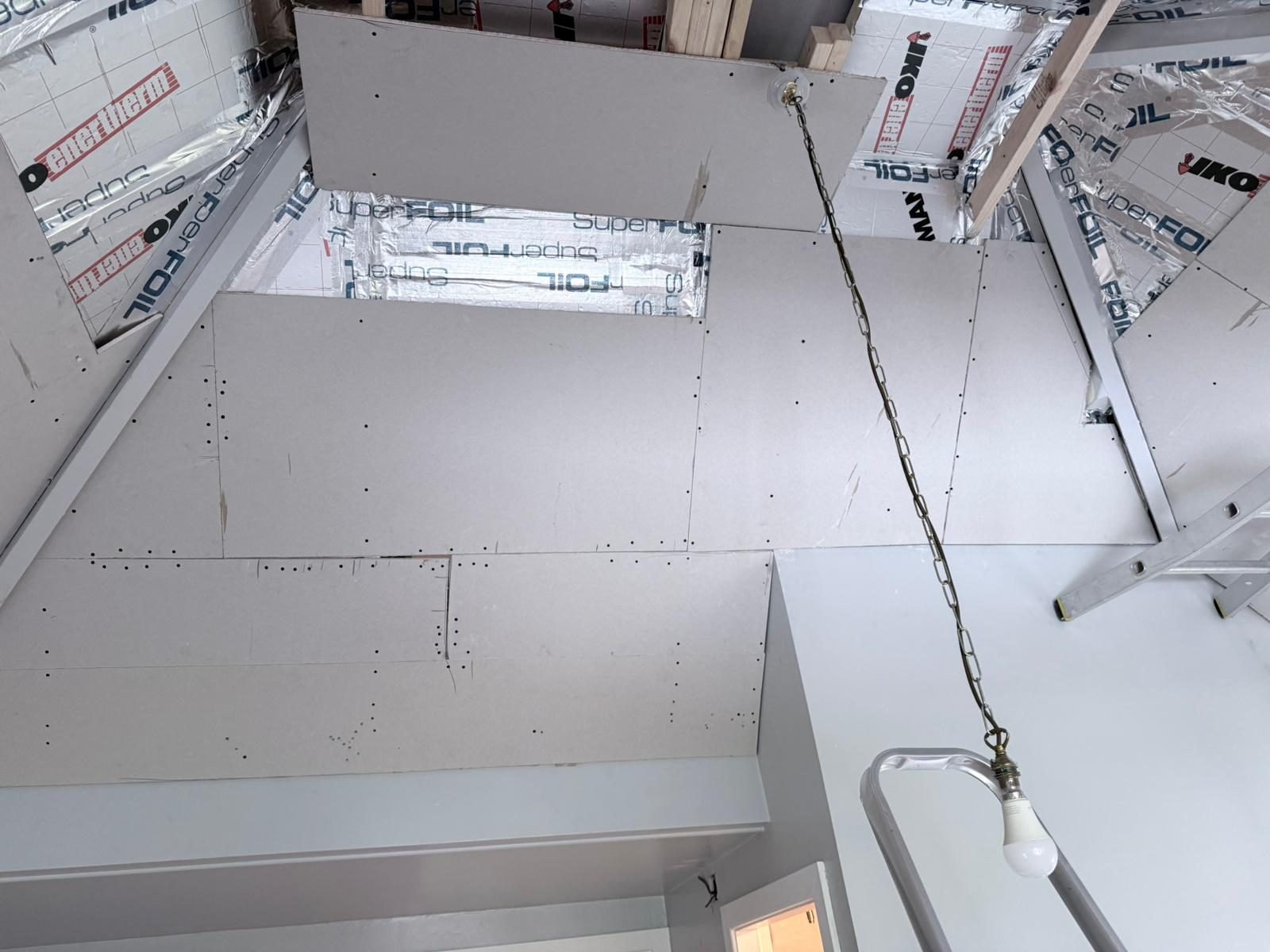
If you live in a Victorian or Edwardian solid-wall terrace anywhere across Leeds — Headingley, Roundhay, Chapel Allerton, Burley — you'll be losing 35–45% of your home's heat straight through the brickwork. Wall insulation fixes it, but which type? Here's a fitter's-eye view of the trade-offs.
The short answer for most Leeds terraces
Internal Wall Insulation (IWI) is right for 80% of the Leeds solid-wall terraces we survey. Conservation areas, listed exteriors, brickwork you actually want to keep visible, and the fact that EWI on a mid-terrace is structurally awkward — all push the decision indoors.
Internal Wall Insulation — the upside
- No scaffolding, no exterior change, no planning hassle in conservation areas
- Done one room at a time — no need to vacate the house
- Priced competitively after a free survey
- Cuts heat loss through that wall by 50–60%
- Rooms warm up faster — you feel the difference within days
Internal Wall Insulation — the trade-offs
- You lose 50–100 mm of room depth on every external wall
- Skirting, sockets, switches and architraves all need re-fitting
- Vapour control detailing has to be done properly or you get condensation behind the boards
- Cold bridges at floor/ceiling junctions need careful detailing
External Wall Insulation — when it makes sense
EWI works brilliantly on end-of-terrace and semi-detached properties where the gable end can be wrapped. It avoids any internal disruption, eliminates cold bridges, and gives the building a fresh render finish. But it costs significantly more per square metre, usually needs scaffolding, and changes the look of the house — which rules it out for most period terraces and conservation areas.
How we spec IWI properly
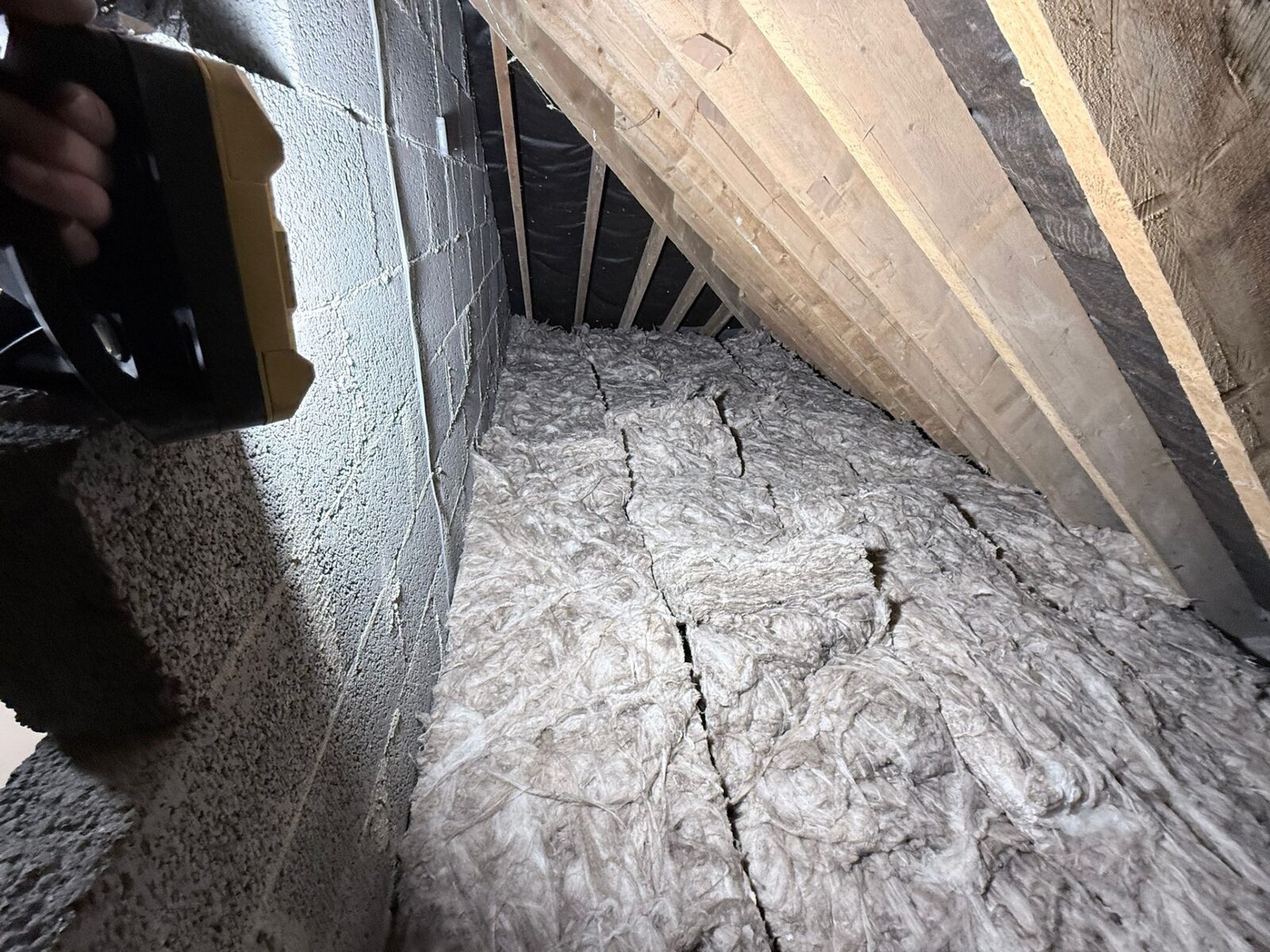
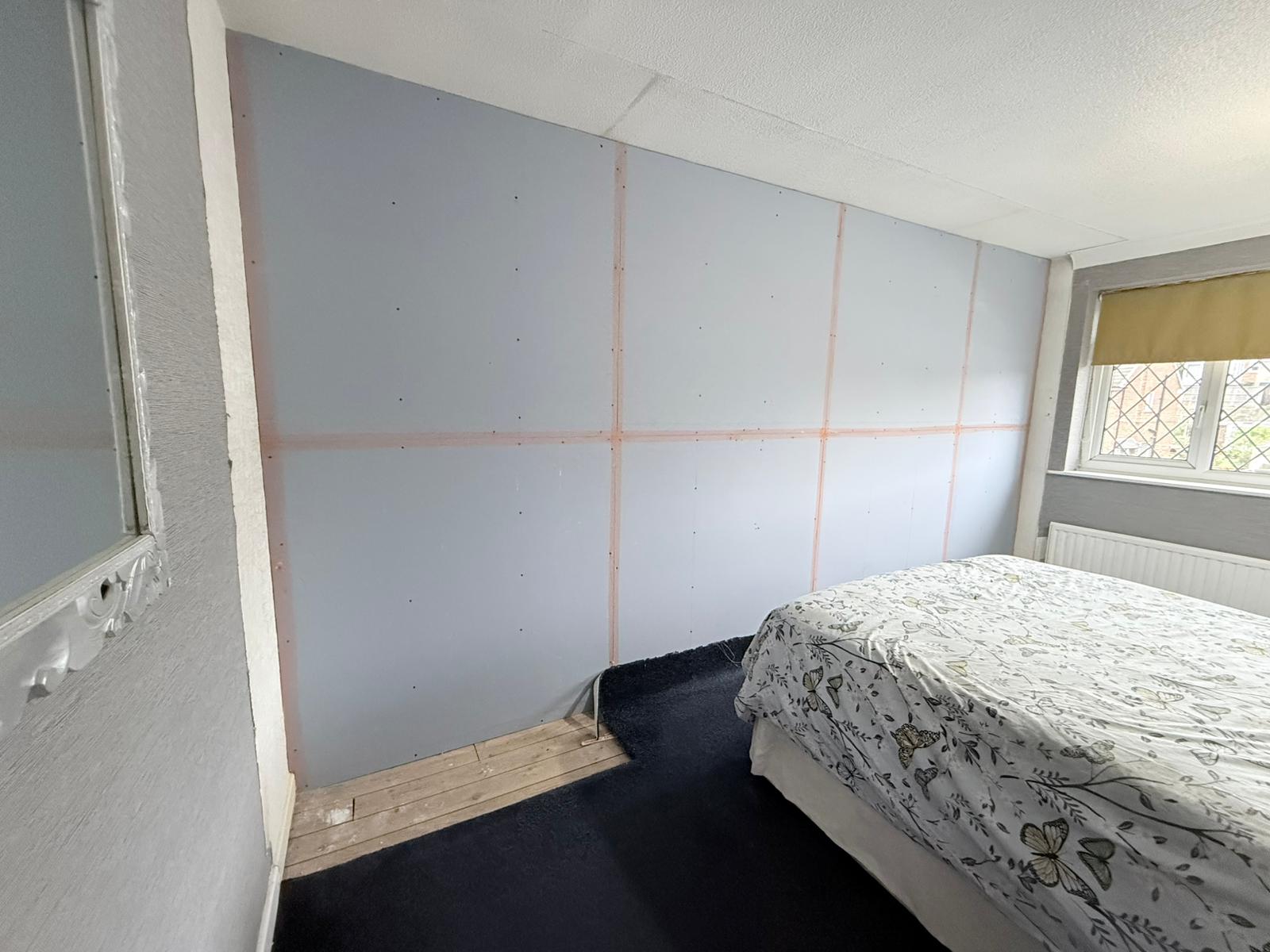
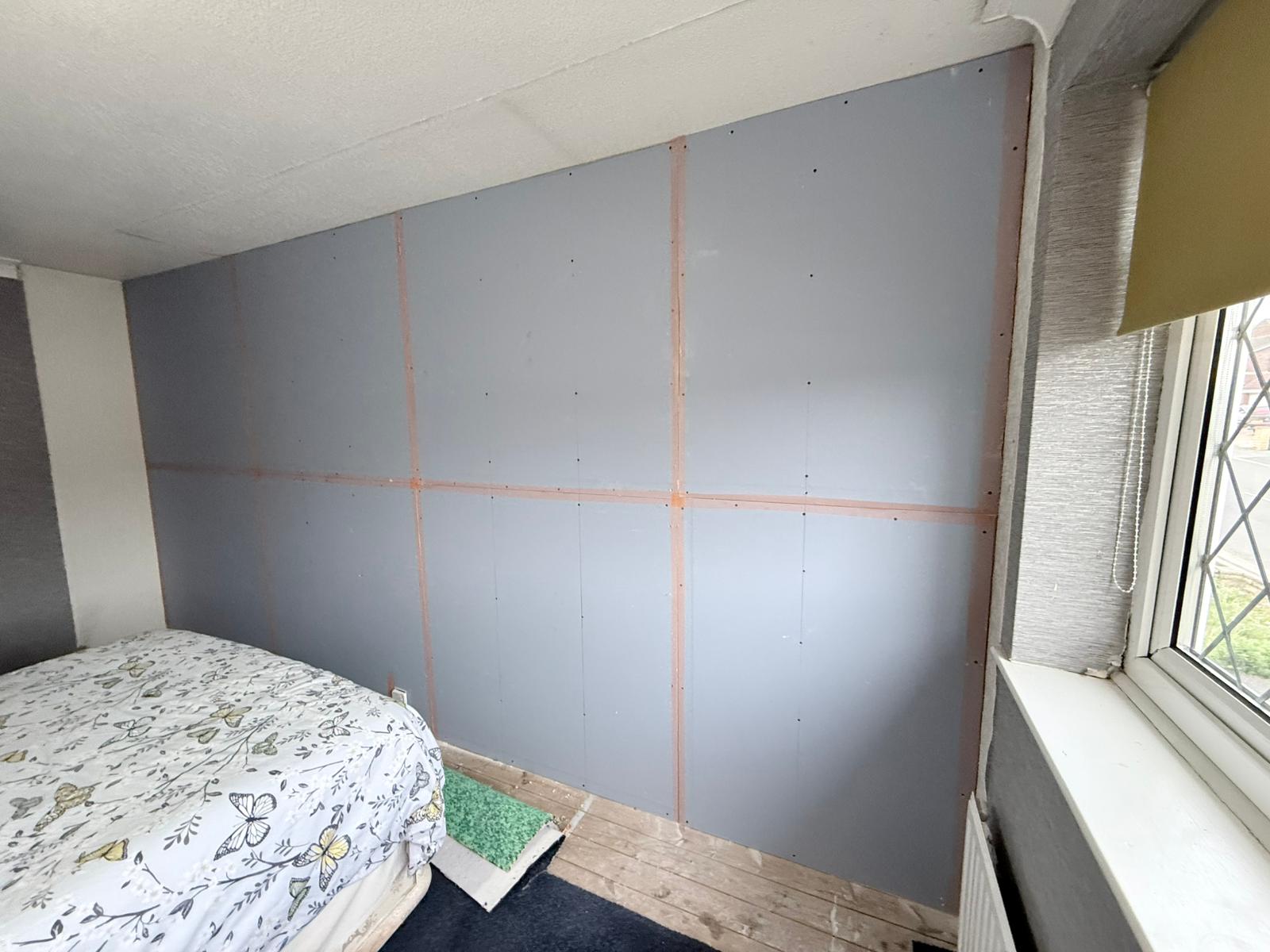
Every IWI job we install is detailed to PAS 2030 / 2035 standards. The system depends on the property — PIR board for max U-value in tight rooms, mineral wool when breathability matters, woodfibre on truly historic stock. Vapour control layers are continuous, perimeters are taped, services are first-fixed cleanly. Done right, IWI lasts the life of the house.
Frequently asked questions
- Will internal wall insulation cause damp?
- Only if it's installed badly. With proper vapour control, perimeter sealing and adequate background ventilation, IWI is dry and stable for decades. We design and detail every job to PAS 2035 — no shortcuts.
- Do I need to do the whole house at once?
- No — IWI is one of the few major insulation upgrades you can phase room-by-room. Most of our Leeds customers start with the coldest external-facing rooms and add others over time.
Next steps
Ready for a no-pressure technical survey?
We'll measure up, talk you through the options, and email a fully itemised quote — usually within 48 hours.